
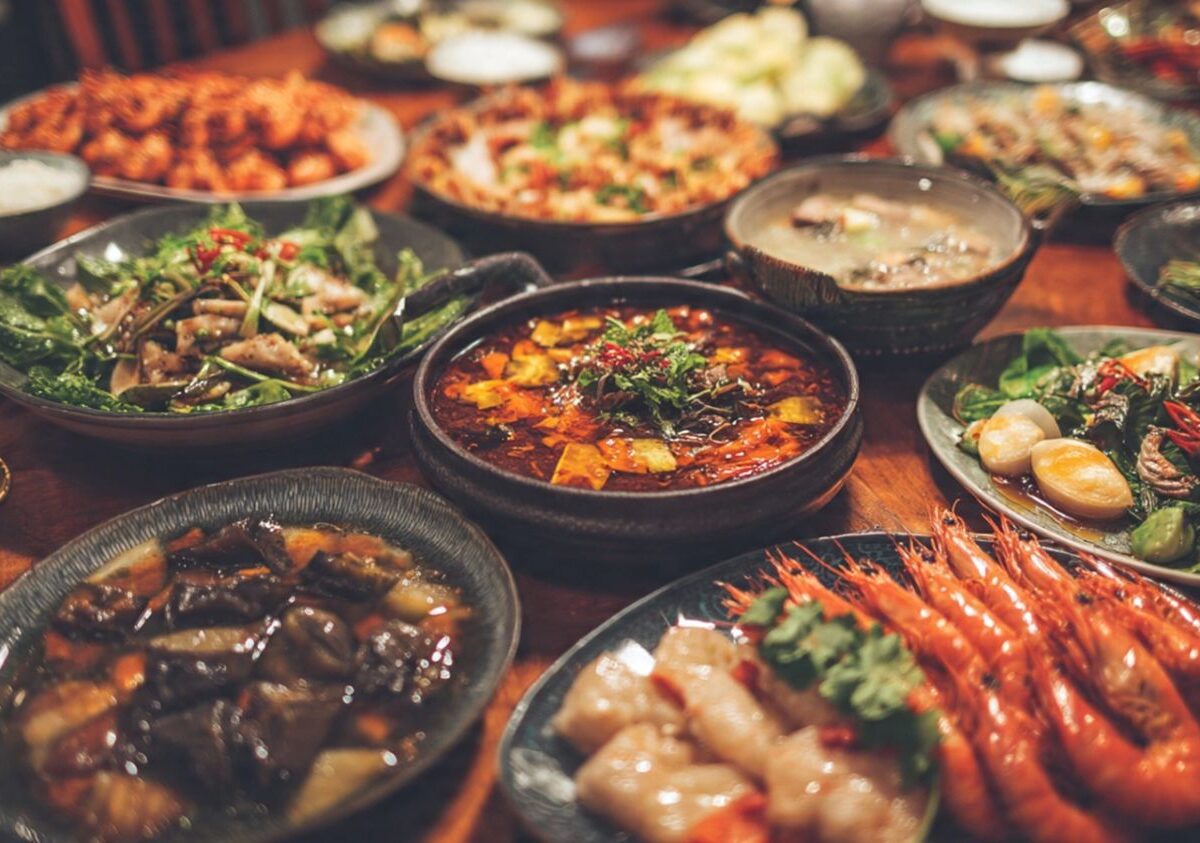
Planning an event takes a lot of time and organization. Food is usually the largest expense on the budget sheet. However, you do not need to spend excessive amounts of money to feed your guests well. By booking affordable catering services, you can keep your finances in check while providing delicious meals. This detailed guide explains everything you need to know about planning menus, managing logistics, and hosting a highly successful gathering in Singapore.
Table of Contents
- Understanding Event Catering In Singapore
- Benefits Of Budget-Friendly Menus
- Types Of Events That Need Food Delivery
- How To Choose The Right Menu Style
- Factors That Affect Food Costs
- Managing Your Event Timeline
- Setting Up Your Dining Area
- How To Keep Food Safe And Fresh
- Planning For Dietary Restrictions
- Common Mistakes To Avoid When Ordering Food
- Questions To Ask Before Booking
- Frequently Asked Questions
- Securing A Successful Event With Affordable Catering Services
Key Takeaways
- Planning your budget early helps you control overall event costs.
- Menu styles like bento boxes and mini buffets offer significant savings.
- Clear communication with your vendor prevents unexpected fees.
- Proper seating and equipment setup makes the dining experience comfortable.
- Managing dietary restrictions keeps all your guests safe and satisfied.
Understanding Event Catering In Singapore
Catering involves more than just cooking food. It is a structured service that handles the preparation, transportation, and presentation of meals for a group of people. In Singapore, vendors offer many different packages to suit different needs and budgets.
When you hire a professional vendor, you are paying for several components at once. Understanding these components helps you see where your money goes.
- Food Sourcing And Preparation: The vendor buys ingredients in bulk and cooks the food in a commercial kitchen.
- Transportation: The company packs the food securely and drives it to your location.
- Equipment Rental: Many packages include chafing dishes, heating fuel, serving spoons, and tables.
- Disposable Wares: Vendors typically provide paper plates, plastic utensils, and napkins.
- Labor And Setup: Staff members arrange the buffet line and return later to clean up the equipment.
Benefits Of Budget-Friendly Menus
Choosing an economical menu provides many advantages beyond simply saving money. When you lower your food costs, you gain more control over the entire event.
- Better Budget Allocation: Money saved on food can pay for a larger venue, better decorations, or entertainment.
- Larger Guest Lists: Lower costs per head allow you to invite more friends, family members, or colleagues.
- Lower Stress Levels: Staying within your budget makes the planning process much more enjoyable.
- Reduced Food Waste: Simple, crowd-pleasing menus often result in fewer leftovers being thrown away.
Types Of Events That Need Food Delivery
Almost any gathering becomes better when food is involved. Different occasions require different approaches to food service. Here are the most common situations where catering is necessary.
- Corporate Meetings And Seminars: Long training sessions require filling lunches to keep attendees focused.
- Birthday Parties: Ordering food allows the host to celebrate rather than cook in the kitchen.
- Weddings And Receptions: Large scale events need structured meal plans to feed hundreds of people at once.
- School Functions: Graduation parties and teacher appreciation days benefit from simple buffet setups.
- Religious Gatherings: Many families order catered food for cultural festivals or thanksgiving prayers.
- Neighborhood Events: Block parties and community group meetings often rely on shared meal deliveries.
How To Choose The Right Menu Style
The way food is served heavily impacts your final bill. You have several options to consider depending on your venue size and budget.
Traditional Buffet Setup
A full buffet is the most common choice for medium to large gatherings. The vendor sets up long tables with heated dishes. Guests form a line and serve themselves.
- Pros: Offers a wide variety of dishes; guests can choose their own portion sizes; highly interactive.
- Cons: Requires a lot of physical space; lines can move slowly if the crowd is very large.
Individual Bento Boxes
Bento boxes contain a complete meal packed into a single container. This style became very popular for corporate events and quick lunches.
- Pros: Extremely hygienic; easy to distribute quickly; portions are strictly controlled.
- Cons: Creates more plastic or cardboard waste; food might not stay hot for very long.
Mini Buffet And Drop-Off Delivery
A mini buffet works perfectly for small groups. The food arrives in disposable foil trays. The delivery driver simply drops the bags off, and you handle the setup.
- Pros: No setup fees; no teardown required; very budget-friendly.
- Cons: You must provide your own tables; food loses heat faster without professional heating equipment.
Factors That Affect Food Costs
Knowing what drives the price up helps you make smarter decisions. Caterers calculate their quotes based on several specific factors.
- Total Guest Count: Caterers price their menus per person. A larger headcount raises the total bill, though the cost per person might drop slightly due to bulk cooking.
- Ingredient Selection: Menus featuring premium seafood, beef, or specialized desserts cost more. Chicken, fish, and vegetarian dishes usually cost less.
- Number Of Courses: A standard menu might include five items. Upgrading to an eight-course menu will increase the price.
- Delivery Distance And Timing: Delivering to locations far from the kitchen, or delivering during public holidays, often incurs extra fees.
- Service Staff: Hiring waiters or dedicated chefs to manage the buffet line adds an hourly labor charge to your invoice.
Managing Your Event Timeline
A successful meal service requires strict time management. You need to coordinate with your vendor to keep everything on track.
Pre-Event Preparation
- Confirm the delivery time with your vendor two days before the event.
- Request that the delivery team arrives at least one hour before guests are supposed to eat.
- Clear the loading bay or driveway so the delivery truck can park easily.
During The Meal Service
- Direct guests to the buffet line in small groups to prevent crowding.
- Keep an eye on the heating fuel; most standard burners last for about two hours.
- Refill drinks and replace empty disposable plates as needed.
Teardown And Cleanup
- Schedule a specific time for the vendor to collect their equipment.
- Pack away leftover food before the collection team arrives.
- Wipe down tables and sweep the floor to return the venue to its original state.
Setting Up Your Dining Area
The physical environment matters just as much as the food itself. Your guests need a comfortable place to sit and eat. Planning the room layout takes time, but it improves the overall experience.
- Measure The Room: Know the dimensions of your venue before you place tables.
- Position The Buffet Line: Place the food tables against a wall to open up the center of the room. This makes walking easier.
- Separate The Drinks: Put the beverage station on a different table entirely. This prevents traffic jams at the main food line.
- Organize The Seating: Make sure your seating matches the formality of your menu. For example, if you are hosting a sit-down dinner, you need comfortable dining chairs in singapore to keep your guests relaxed throughout the evening.
- Manage Trash Disposal: Place large, clearly marked trash bins near the exits so guests can throw away their plates easily.
How To Keep Food Safe And Fresh
Singapore has a hot and humid climate. Food goes bad quickly if it is not handled correctly. Maintaining proper hygiene and temperature controls is necessary for guest safety.
- Use Chafing Dishes: Always use the provided heating equipment for warm food. Hot food must stay hot to prevent bacterial growth.
- Keep Food Covered: Use lids or clear covers to protect dishes from dust and insects, especially for outdoor events.
- Monitor The Clock: According to local food safety guidelines, catered food should be consumed within four hours of preparation.
- Store Cold Items Properly: Keep salads and desserts chilled in coolers until the exact moment you are ready to serve them.
- Use Serving Utensils: Never allow guests to use their own personal spoons or forks to scoop food from the main trays. Provide a separate serving spoon for every single dish.
Planning For Dietary Restrictions
You will likely have guests with specific dietary needs. Failing to provide appropriate food can make guests feel excluded. Always ask your guests about their diet before you confirm the order.
- Halal Certification: If you have Muslim guests, you must order from a Halal-certified kitchen. The entire menu must comply with these religious guidelines.
- Vegetarian Options: Plant-based diets are very common. Always order at least one or two main dishes that do not contain meat, poultry, or seafood.
- Vegan Requirements: Vegan guests do not consume any animal products. This means no dairy, no eggs, and no honey.
- Allergy Management: Peanut and shellfish allergies can be severe. Ask your vendor to label dishes clearly if they contain common allergens.
- Separate Plating: If you order a special meal for one person with an allergy, keep that meal completely separate from the main buffet to avoid cross-contamination.
Common Mistakes To Avoid When Ordering Food
Even experienced event planners make mistakes. Review this list to avoid common problems on the day of your gathering.
- Underestimating Portions: Running out of food is a major problem. Always order for your exact headcount, and add a buffer of two or three extra people just in case.
- Ignoring Venue Rules: Some rented spaces do not allow open flames for chafing dishes. Always check the venue policies before booking a hot buffet.
- Forgetting Beverages: Food packages do not always include drinks. Make sure you order enough water, tea, or juice to keep everyone hydrated.
- Poor Lighting: Setting up a buffet in a dark corner makes it hard for guests to see what they are scooping. Choose a bright, well-lit area.
- Late Ordering: Booking your vendor at the last minute limits your options. Popular vendors sell out weeks in advance, especially during holiday seasons.
Questions To Ask Before Booking
Communication is your best tool for a smooth experience. Do not sign a contract or pay a deposit until you ask the vendor these specific questions.
- What is the minimum number of people I need to order for?
- Are delivery and setup fees included in the quoted price, or billed separately?
- Do you provide tables and tablecloths for the buffet line?
- What is your exact cancellation and refund policy?
- How much time do you need to set up before the event starts?
- Are disposable plates, cups, and cutlery included in the package?
- Can I request a food tasting before I finalize my large wedding order?
- Will you provide staff to clear the plates, or am I responsible for cleanup?
Frequently Asked Questions
How far in advance should I order food?
You should place your order at least two to three weeks before a standard event. For weddings or major holidays like Chinese New Year or Christmas, you should book two to three months in advance to secure your spot.
Does cheap catering mean bad quality?
No, lower prices do not automatically mean bad food. Budget-friendly menus rely on economical ingredients like chicken, vegetables, and rice. The food can still be incredibly tasty and well-prepared without using expensive ingredients like lobster or steak.
Can I change my guest count after booking?
Most companies allow you to adjust your final headcount up to three or four days before the delivery date. You must read the terms and conditions on your invoice to confirm their exact policy.
What happens to leftover food?
For health and safety reasons, vendors usually require all leftover food to be thrown away after the buffet is cleared. Bacteria grow rapidly in warm environments, making leftovers unsafe to keep.
Do I need to wash the metal trays before returning them?
No, you do not need to wash the professional chafing dishes. The vendor’s collection team will take the dirty metal trays and serving spoons back to their commercial kitchen for proper sanitation.
Is it cheaper to cook the food myself?
Cooking for five or ten people might be cheaper. However, cooking for fifty people requires massive pots, heavy ingredients, and hours of labor. Once you factor in the cost of buying disposable plates and borrowing equipment, hiring a professional service is often much more economical.
Securing A Successful Event With Affordable Catering Services
Hosting a memorable gathering requires careful planning, logical formatting, and smart financial choices. By understanding exactly how food delivery works, you can build a menu that satisfies everyone in the room without breaking your budget.
Always take the time to evaluate your venue space, plan for your guests’ dietary needs, and communicate clearly with your chosen vendor. Following these structured steps will take the stress out of your preparation phase. When the logistics are handled properly, you are free to focus on what truly matters: spending quality time with your guests and enjoying a fantastic meal together.