Planning a large celebration outside requires careful attention to detail, strict organization, and a clear vision. When you manage a catering outdoor wedding reception, every choice directly impacts the comfort of your guests. From selecting the appropriate layout to confirming the menu, your decisions shape the entire atmosphere of the day. This detailed how-to guide will walk you through the necessary steps for designing an outdoor banquet setup. You will learn how to create a seamless combination of authentic, heritage catering from Hock Hoe Heng with modern, durable furniture from IUIGA.
Table of Contents
- Basics Of Wedding Reception Planning
- Selecting IUIGA Furniture For Your Layout
- Comparing Round Dining Tables And Rectangular Layouts
- Authentic Singapore Catering With Hock Hoe Heng
- Mastering Outdoor Event Catering Logistics
- Best Practices For Hosting Dinner Parties And Large Banquets
- Frequently Asked Questions
Key Takeaways
- Evaluate Your Space Early: Measure the ground and check for natural obstacles before renting equipment.
- Select Appropriate Materials: Match your table materials, like wood or sintered stone, to your specific theme and outdoor conditions.
- Match The Menu To The Setup: Pair your furniture layout with the correct food service style, such as a buffet or a sit-down meal.
- Prepare For Weather Changes: Always have a backup plan for rain, wind, or excessive heat.
- Manage Traffic Flow: Keep food stations, bars, and seating areas spaced out to prevent crowding.
Basics Of Wedding Reception Planning
When you design an event space, you must start with the physical environment. The outdoor location dictates what kind of celebration you can build.
Step 1: Evaluating Your Outdoor Space
Before you order food or rent chairs, you must inspect the venue. Outdoor environments contain variables that indoor halls do not have.
Review this site inspection checklist:
- Measure The Ground: Calculate the total square footage available for seating and food stations.
- Check Soil Firmness: Soft grass can cause table legs and chair heels to sink. You might need to install temporary wooden flooring.
- Identify Power Sources: Locate all electrical outlets. You will need power for food warmers, lighting, and sound equipment.
- Note Natural Obstacles: Mark the locations of large trees, bushes, or uneven slopes.
- Determine Shade Coverage: Track how the sun moves across the space during the exact hours of your event.
- Locate Water Access: Find the nearest water source for the catering staff to use for cleaning and food preparation.
- Check Wind Patterns: Note if the area experiences heavy breezes that could knock over tall centerpieces.
- Assess Lighting Needs: Determine how dark the area gets after sunset and where you need to hang temporary lights.
Step 2: Choosing The Right Event Space Planning Layout
The way you arrange your furniture controls how people interact. You want your guests to move comfortably without bumping into each other.
Consider these spacing rules:
- Between Tables: Leave a minimum of 60 inches between tables to allow guests to pull out their chairs and let waiters pass safely.
- Chair Clearance: Provide at least 36 inches of space behind a seated guest for easy walkway access.
- Buffet Lines: Position your main food stations at least 15 feet away from the nearest seating area to prevent traffic jams.
- Bar Placement: Place the beverage station on the opposite side of the venue from the food. This divides the crowd into two smaller groups.
- Dance Floor Limits: Keep the dance floor centrally located, but leave a buffer zone of 5 feet between the dancing area and the nearest table.
Selecting IUIGA Furniture For Your Layout
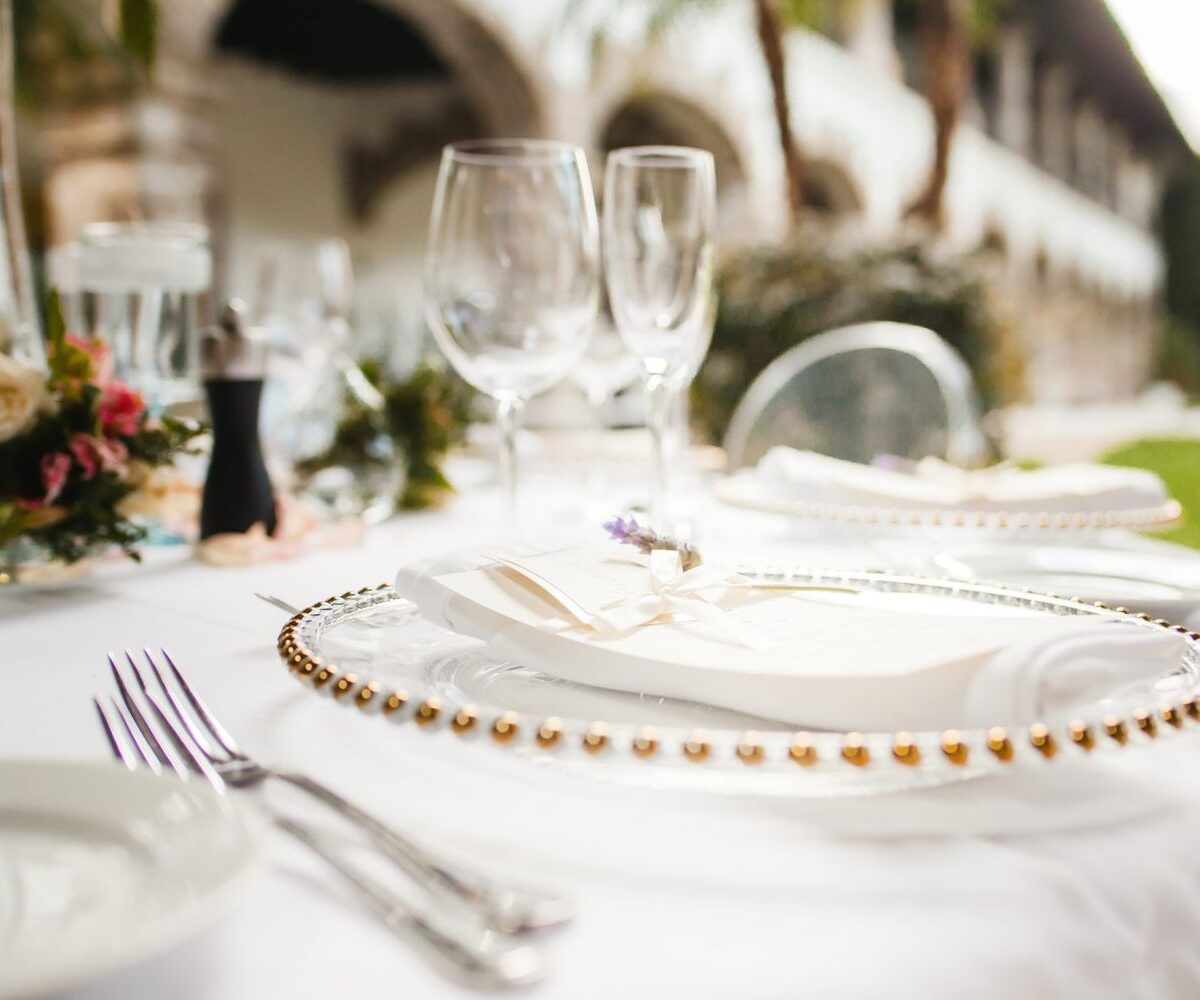
The materials you choose for your surfaces establish the mood of your celebration. Selecting high-quality dining tables gives your guests a comfortable place to eat and converse. IUIGA provides excellent options that withstand outdoor conditions while looking elegant.
Solid Wood Dining Tables For A Rustic, Warm Feel
Wood brings an organic, welcoming texture to any outdoor setting. It naturally complements outdoor environments like gardens, parks, and beachfronts.
Benefits of selecting wood:
- Visual Warmth: The natural grain provides a traditional, classic appearance.
- Minimal Decoration Required: Because the material looks beautiful on its own, you do not need heavy, expensive tablecloths.
- High Durability: Solid wood handles heavy plates, large platters, and frequent use without bending.
- Thematic Consistency: Wood pairs perfectly with rustic themes, floral centerpieces, and woven chairs.
- Weight And Stability: Heavy wood stays firmly in place, even if a strong wind blows through the venue.
Sintered Stone For Modern, Clean Lines
If you prefer a highly contemporary look, sintered stone works exceptionally well. This material consists of natural minerals compacted under extreme pressure and heat.
Advantages of using sintered stone outdoors:
- Scratch Resistance: The hard surface does not scratch easily when staff slide heavy serving dishes across it.
- Weather Durability: Sintered stone does not warp in high humidity or crack under direct sunlight.
- Stain Prevention: The non-porous surface stops wine, sauces, and oils from leaving permanent marks.
- Elegant Reflection: The smooth finish reflects your string lights and candles, brightening the entire seating area.
- Modern Pairing: This material looks excellent when matched with metal chairs and minimalist, geometric centerpieces.
Comparing Round Dining Tables And Rectangular Layouts
Once you select your material, you must choose the shape. The shape of your tables heavily influences the dining experience.
Advantages Of Round Dining Tables
Round setups remain popular for formal events because of their social benefits.
- Improved Conversation: Every guest sitting at a round setup can see and speak to everyone else in their group.
- Easier Navigation: Staff can walk smoothly around circular shapes without navigating sharp corners.
- Flexible Placement: You can fit circles into irregularly shaped lawns or patios more easily than rigid squares.
- Focus On Centerpieces: A single, central floral arrangement looks balanced and symmetrical.
Advantages Of Rectangular Banquets
Long, straight lines create a highly dramatic visual effect across an open lawn.
- High Capacity: You can push rectangular units together to form long rows, fitting more guests into a narrow space.
- Family-Style Serving: Straight lines make it easy to pass shared bowls and platters down the row.
- Photographic Appeal: Long rows stretching under a canopy of lights create a highly attractive background for photographs.
- Efficient Use Of Tents: Straight lines naturally match the rectangular shape of most rental marquees and tents.
Authentic Singapore Catering With Hock Hoe Heng
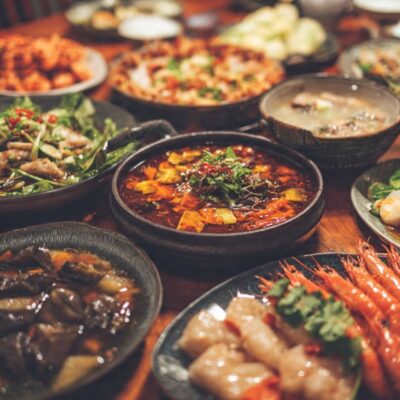
A successful celebration requires excellent food that appeals to a wide variety of tastes. Hock Hoe Heng provides authentic, heritage catering that satisfies large crowds. When planning an outdoor event catering menu, you must match the food to your environment and schedule.
Selecting An Outdoor-Friendly Heritage Menu
Certain foods perform better outside than others. You want items that hold their temperature well and remain appetizing over several hours.
Outdoor menu considerations:
- Stable Temperatures: Choose braised meats and rich curries that stay hot and flavorful in chafing dishes.
- Resilient Side Dishes: Select fried rice or robust noodle dishes that do not dry out quickly.
- Safe Cold Items: Avoid mayonnaise-based salads that spoil quickly in warm weather. Opt for vinegar-based slaws or fresh fruit platters.
- Interactive Stations: Consider a live satay station where chefs grill skewers on the spot, adding a fresh and entertaining element.
- Traditional Desserts: Serve nonya kueh and other traditional sweets that do not melt like ice cream or buttercream cakes.
Organizing Customizable Buffet Arrangements
A buffet provides flexibility and allows guests to select exactly what they want to eat. Hock Hoe Heng offers highly customizable stations.
Tips for a successful outdoor buffet:
- Multiple Access Points: Pull the serving tables away from the wall or tent edge so guests can serve themselves from both sides.
- Logical Flow: Place the plates at the very beginning of the line. Follow with salads, main courses, heavy sides, and finally, the cutlery and napkins.
- Clear Labeling: Write the names of the heritage dishes on small, attractive cards so guests know exactly what they are selecting.
- Covered Dishes: Use chafing dishes with roll-top covers to protect the food from insects and falling leaves.
- Dedicated Staff: Assign attendants to restock plates, stir the hot food, and clean up spills immediately.
Coordinating Sit-Down Banquet Styles
If you prefer a highly formal atmosphere, a plated meal keeps your guests seated while the food comes to them.
Rules for plated outdoor service:
- Accurate Floor Plans: Provide your serving staff with a strictly numbered map of the tables.
- Covered Transport: Make sure waiters use large tray covers when walking from the outdoor kitchen to the tables to protect the plates from wind.
- Pacing The Courses: Allow at least 20 minutes between the appetizer and the main course so guests can enjoy the natural surroundings.
- Beverage Refills: Instruct staff to patrol the tables constantly with water pitchers, especially on warm afternoons.
Mastering Outdoor Event Catering Logistics
Taking your celebration outside means you must build a temporary infrastructure. You need a solid plan for managing the elements.
Weather Protection And Tent Setup
You cannot control the weather, but you can prepare for it. A sturdy overhead cover is highly recommended.
- Rent A Marquee: Choose a tent large enough to cover all seating areas and food stations.
- Add Sidewalls: Keep rolled-up sidewalls attached to the tent. If it rains, you can drop them down quickly to block the wind.
- Secure The Structure: Drive deep stakes into the grass or use heavy concrete water barrels to hold the tent down.
- Control The Temperature: Rent large, quiet floor fans to keep air moving on hot days. If the evening gets chilly, bring in standing patio heaters.
Managing Power And Lighting
Outdoor spaces rarely have enough built-in electricity for a large party.
- Calculate Wattage: Ask your food provider how much power their heating lamps require. Add this to the power needed for your speakers and lights.
- Rent Generators: Bring in silent, portable generators to handle the extra load safely.
- Hide The Cords: Tape all thick black power cables to the ground or cover them with rubber mats so nobody trips.
- Layer The Lighting: Use overhead string lights for general visibility, candles on the tables for mood, and spotlights to highlight the food stations.
Best Practices For Hosting Dinner Parties And Large Banquets
Whether you organize a wedding of two hundred people or practice hosting dinner parties for twenty close friends, certain professional habits make the process smoother.
Designing The Guest Experience
Think about what your visitors will feel from the moment they arrive.
- Welcome Drinks: Hand out cold water, iced tea, or a signature mocktail the moment people walk into the space.
- Clear Signage: Put up wooden signs pointing toward the restrooms, the dining area, and the bar.
- Bug Prevention: Place discreet citronella candles around the perimeter and offer small bottles of insect repellent near the entrance.
- Comfort Stations: Provide paper fans, sunglasses, or parasols for guests if the sun is particularly bright.
Coordinating With Your Vendors
Your suppliers need clear instructions to succeed.
- Finalize The Head Count: Give your food provider the exact number of attendees at least two weeks before the date.
- Distribute A Schedule: Create a minute-by-minute timeline that details when the chairs arrive, when the food gets delivered, and when the music starts.
- Assign A Point Person: Designate one trusted friend or professional coordinator to answer all vendor questions on the actual day. You should not be directing delivery trucks yourself.
- Plan The Cleanup: Agree in advance on who takes away the trash, who folds the tables, and when the rental company will pick up the equipment.
Frequently Asked Questions
How do I choose between a buffet and a plated meal for an outside event?
A buffet works best if you want a relaxed atmosphere where people mingle and move around. It also allows you to offer a wider variety of heritage dishes. A plated meal is better for formal, highly structured events where you want everyone to eat at the exact same time.
What makes sintered stone a good choice for outdoor use?
Sintered stone is extremely hard, non-porous, and resistant to UV light. This means it will not fade in the sun, it will not absorb water from sudden rain, and it will not scratch easily when heavy catering trays slide across it.
How much space do I need for each guest at a round setup?
You should plan for roughly 60 inches of space between each circular unit. This gives guests enough room to slide their chairs back, and it gives the serving staff enough room to walk between the groups safely.
When should I finalize my menu choices?
You should confirm your specific food choices with your provider at least one month in advance. This gives them time to source the authentic ingredients needed for specialized heritage recipes and plan their cooking schedule.
Executing A Successful Outdoor Event Strategy
Putting together a large-scale outdoor gathering requires methodical planning and a clear understanding of your physical space. By actively evaluating your site, managing your power supply, and protecting the area from unpredictable weather, you create a safe and comfortable environment. Selecting the right materials—like solid wood or modern stone from IUIGA—guarantees that your layout is both functional and visually appealing.
Pairing high-quality seating with an authentic, well-organized menu from Hock Hoe Heng completes the experience. When you match the appropriate food service style to your carefully designed layout, your guests receive prompt service and excellent meals. Apply these precise steps to your next planning session, take control of the logistics early, and build an outdoor celebration that operates flawlessly from the first arrival to the final departure. Plan your event today.